
Table of Contents
ToggleWhat Causes Knee Pain?
Introduction
Knee Pain Exercises is one of the most common musculoskeletal problems affecting people of all ages. Whether it results from an injury, arthritis, overuse, or age-related wear and tear, knee pain can make everyday activities such as walking, climbing stairs, and exercising difficult.
Physiotherapy plays a vital role in reducing pain, improving joint function, and restoring mobility. The right combination of stretching, strengthening, and balance exercises can help reduce stress on the knee joint and support long-term recovery.
In this guide, we’ll explain the common causes of knee pain, discuss how physiotherapy helps, and introduce effective knee pain exercises that may improve strength and flexibility.
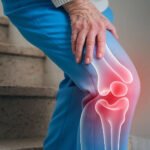
What Causes Knee Pain?
Knee pain can develop for many reasons, including:
- Sports injuries
- Ligament injuries
- Meniscus tears
- Osteoarthritis
- Rheumatoid arthritis
- Muscle weakness
- Poor posture
- Obesity
- Overuse from repetitive activities
- Previous knee surgery
Identifying the underlying cause is essential before beginning an exercise program.
Common Symptoms of Knee Pain
You may experience:
- Pain while walking
- Swelling around the knee
- Joint stiffness
- Clicking or popping sounds
- Difficulty climbing stairs
- Reduced range of motion
- Weakness in the leg
- Pain after prolonged sitting
If symptoms are severe or persist, consult a qualified physiotherapist or healthcare professional.
.
How Physiotherapy Helps Knee Pain
Physiotherapy focuses on improving joint function and reducing pain through personalized rehabilitation.
Treatment may include:
- Pain management techniques
- Strengthening exercises
- Stretching programs
- Manual therapy
- Balance training
- Gait correction
- Posture improvement
- Functional rehabilitation
The treatment plan depends on your diagnosis, activity level, and recovery goals.
Best Knee Pain Exercises
Note: Stop exercising if you experience severe pain and consult a physiotherapist.
1. Straight Leg Raise
Benefits
Strengthens the quadriceps without placing excessive pressure on the knee joint.
How to Perform
- Lie flat on your back.
- Bend one knee while keeping the other leg straight.
- Tighten the thigh muscles.
- Slowly lift the straight leg about 30–45 cm.
- Hold for 5 seconds.
- Lower slowly.
Repetitions: 10–15 × 3 sets
2. Quad Sets
Benefits
Improves quadriceps strength and knee stability.
Steps
- Sit with your leg extended.
- Tighten the muscles on the front of your thigh.
- Press the knee gently toward the floor.
- Hold for 5–10 seconds.
- Relax.
Repeat: 15 times
3. Heel Slides
Benefits
Improves knee flexibility and range of motion.
Steps
- Lie on your back.
- Slowly slide your heel toward your hips.
- Bend the knee comfortably.
- Return slowly.
Repeat: 15 repetitions
4. Hamstring Stretch
Benefits
Reduces muscle tightness and improves flexibility.
Steps
- Sit with one leg straight.
- Lean forward gently.
- Keep your back straight.
- Hold the stretch.
Hold: 20–30 seconds
Repeat 3 times.
5. Calf Stretch
Benefits
Improves lower-leg flexibility and reduces stress on the knee.
Steps
- Stand facing a wall.
- Step one foot back.
- Keep the heel on the floor.
- Lean forward until you feel a stretch.
Hold for 30 seconds.
6. Wall Squats (Partial)
Benefits
Strengthens the quadriceps and glute muscles.
Steps
- Stand against a wall.
- Slide down slightly.
- Keep knees aligned with your feet.
- Hold for 5 seconds.
- Return slowly.
Avoid deep squats if you have significant pain.
7. Bridge Exercise
Benefits
Strengthens the hips, glutes, and core to support the knees.
Steps
- Lie on your back.
- Bend your knees.
- Lift your hips.
- Hold for 5 seconds.
- Lower slowly.
Perform 10–15 repetitions.
8. Step-Ups
Benefits
Improves strength, balance, and coordination.
Steps
- Use a low step.
- Step up with one foot.
- Bring the other foot up.
- Step down carefully.
Repeat 10 times on each leg.
Tips While Exercising
- Warm up before starting.
- Exercise slowly and with control.
- Avoid sudden twisting movements.
- Wear supportive footwear.
- Maintain proper posture.
- Stop if severe pain develops.
- Follow your physiotherapist’s advice.
Lifestyle Tips for Healthy Knees
- Maintain a healthy weight.
- Stay physically active.
- Strengthen your leg muscles.
- Avoid sitting for long periods.
- Use proper lifting techniques.
- Stretch regularly.
- Eat a balanced diet rich in calcium and vitamin D.
When Should You See a Physiotherapist?
Seek professional advice if:
- Pain lasts longer than one week.
- You cannot bear weight on the knee.
- The knee is swollen or unstable.
- Pain follows a fall or sports injury.
- Home exercises do not improve your symptoms.
- Your knee repeatedly locks or gives way.
Why Choose Physiovate?
At Physiovate, we provide personalized physiotherapy programs designed to help you recover safely and regain confidence in your movement.
Our services include:
- Comprehensive assessment
- Individualized exercise plans
- Manual therapy
- Post-surgical rehabilitation
- Sports injury rehabilitation
- Arthritis management
- Education on injury prevention
Our goal is to help you reduce pain, improve mobility, and return to your daily activities.
Frequently Asked Questions
Which exercise is best for knee pain?
Exercises such as straight leg raises, quad sets, heel slides, and hamstring stretches are commonly recommended because they strengthen the muscles supporting the knee while improving flexibility.
Can I exercise if my knee hurts?
Gentle exercises may help some conditions, but severe or worsening pain should be evaluated by a healthcare professional before continuing.
How often should I perform knee pain exercises?
Many rehabilitation programs recommend exercising 3–5 times per week, but the right frequency depends on your condition and should be guided by your physiotherapist.
Does physiotherapy help arthritis?
Yes. Physiotherapy can improve joint mobility, strengthen supporting muscles, reduce pain, and help people with arthritis stay active.
How long does recovery take?
Recovery varies depending on the cause of the pain, the severity of the condition, and adherence to the treatment plan.
Conclusion
Knee pain can affect your ability to work, exercise, and enjoy daily life. A well-designed physiotherapy program that includes strengthening, stretching, and balance exercises can improve knee function and reduce discomfort.
If your pain is persistent or affecting your mobility, seeking professional advice early can help you receive an accurate diagnosis and an appropriate rehabilitation plan.
Book an Appointment
If you’re experiencing knee pain or recovering from an injury, Physiovate is here to help. Our experienced physiotherapists provide personalized treatment plans to support your recovery and help you move with confidence.
Book your appointment today and take the first step toward healthier, stronger knees.
.